
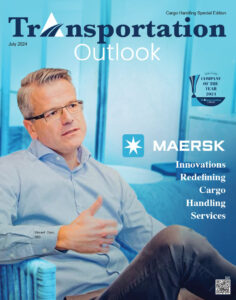
The integration of smart technologies to Cargo Management
The cargo handling industry is undergoing a significant transformation, driven by technological advancements, automation, and the increasing demand for efficiency in global supply chains. As international trade volumes continue to rise, logistics providers and port operators are embracing innovative solutions to optimize cargo movement, reduce turnaround times, and enhance overall operational efficiency. The integration of smart technologies, including artificial intelligence (AI), Internet of Things (IoT), and automation, is redefining traditional cargo handling processes, making them more resilient, transparent, and cost-effective.
One of the most impactful trends shaping the industry is the adoption of automated cargo handling systems. Ports and warehouses worldwide are deploying autonomous cranes, robotic loaders, and automated guided vehicles (AGVs) to streamline operations and minimize human intervention. These innovations not only improve efficiency but also enhance safety by reducing workplace hazards associated with manual cargo handling. In parallel, AI-powered predictive analytics is enabling real-time decision-making, helping logistics providers optimize cargo routing, monitor equipment health, and predict potential disruptions before they occur.
Sustainability is another driving force in the evolution of cargo handling. Companies are investing in eco-friendly solutions such as electric-powered equipment, energy-efficient port operations, and digital platforms that optimize load planning to reduce fuel consumption and carbon emissions. As regulatory pressures to decarbonize logistics intensify, cargo handlers are prioritizing green innovations to align with global sustainability goals.
As we highlight the top cargo handling solution providers in this special edition, it is clear that the future of cargo logistics lies in digitalization, automation, and sustainability. These industry leaders are setting new benchmarks, ensuring that cargo handling remains efficient, secure, and environmentally responsible in an increasingly complex global trade landscape.
Vincent Clerc
CEO
Copenhagen
maersk.com
Maersk’s commitment to digital transformation extends beyond current innovations. The company is actively exploring the future of cargo management through digital freight solutions. By integrating cloud-based platforms, machine learning algorithms, and real-time data analytics, Maersk aims to further enhance supply chain efficiency and responsiveness.

gfdghfdhg
hdgjhjhg
jhgjhggfnddghn
https://admin-staging.transportationoutlook.com/innovators
fdsfsfgdsg
At Transportation Business Outlook, we believe in the power of knowledge-sharing. Our editorial approach focuses on expert opinions, CEO interviews, market analysis, and success stories, offering readers a comprehensive view of the challenges and opportunities shaping the transportation landscape.
We respect your privacy. The email address you provide will be used solely for subscription purposes and will not be stored or shared.
Subscribe Now